June 10, 2026
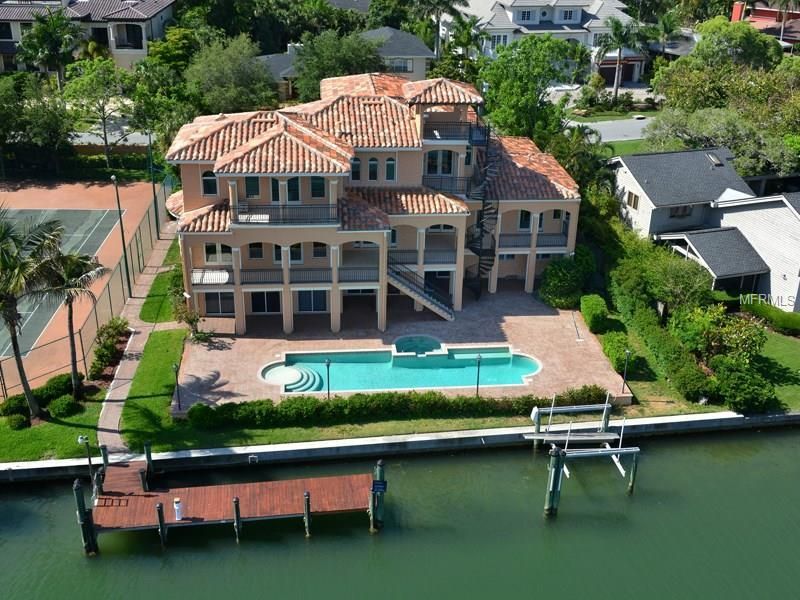
Creating a distinctive and functional property requires careful planning, expert craftsmanship, and a clear architectural vision. Luxury homes today are expected to provide more than basic living space. Homeowners often seek custom layouts, refined finishes, and thoughtfully designed environments that support their lifestyles while reflecting personal preferences. High-end residential projects frequently combine innovative design, premium materials, and advanced construction techniques to create homes that stand apart from conventional housing. Through strategic residential construction, it is possible to create homes that balance aesthetics, functionality, and long-term value. Every element of a project should contribute to a cohesive design that enhances both daily living and overall property appeal.
Architectural Planning and Project Development
Successful projects begin with comprehensive planning. Before construction starts, homeowners, architects, and builders must establish goals for the property, identify design priorities, and evaluate site conditions. Architectural planning helps determine how a home will interact with the surrounding environment while maximizing views, natural light, and usable space. This process also allows project teams to address structural requirements, zoning considerations, and future expansion opportunities. Careful planning during residential construction can help minimize future challenges while creating opportunities for customization and long-term satisfaction.
Floor plans should support both functionality and comfort. Open-concept living areas, dedicated entertainment spaces, private retreats, and flexible rooms can accommodate changing household needs over time. Modern luxury homes often incorporate features that improve convenience while maintaining a strong architectural identity. Large windows, soaring ceilings, and seamless transitions between living areas can enhance the overall experience while creating a sense of openness. Thoughtful residential construction helps transform design concepts into highly functional living environments.
Custom Design and Architectural Character
One of the defining characteristics of luxury homes is their ability to reflect the owner's vision. Custom architectural details, unique exterior elevations, and carefully selected materials contribute to a home's overall character. Whether the design emphasizes contemporary simplicity, transitional elegance, or timeless traditional elements, consistency throughout the project helps create a cohesive appearance. Architectural details such as custom millwork, decorative ceilings, and specialty finishes can further distinguish a residence while reinforcing its design theme.
Material selection plays a significant role in achieving architectural goals. Stone, brick, metal, wood, and glass can be combined to create distinctive visual effects while supporting durability and performance. Exterior materials should complement the surrounding environment while enhancing curb appeal. Interior finishes should contribute to a sophisticated atmosphere while maintaining practicality. Throughout residential construction, these materials should work together to reinforce the home's design language and contribute to a lasting impression.
Interior Functionality and Lifestyle Integration
Luxury homes are increasingly designed around the needs and routines of the people who live in them. Kitchens often serve as gathering spaces, while great rooms provide areas for entertaining and everyday interaction. Home offices, fitness rooms, media spaces, and guest accommodations allow homeowners to enjoy greater flexibility within their living environments. As lifestyles evolve, adaptable spaces can accommodate new technologies, changing family needs, and emerging design trends.
Efficient space planning helps improve circulation throughout the home while maximizing usability. Storage solutions, integrated technology, and thoughtfully designed transitions between rooms can significantly enhance daily comfort. Features such as walk-in pantries, custom closets, mudrooms, and dedicated storage areas help maintain organization without sacrificing aesthetics. Residential construction should focus on creating spaces that not only look impressive but also function effectively for years to come.
Outdoor Living and Architectural Continuity
Modern luxury homes frequently extend beyond the interior footprint to include outdoor living environments. Covered patios, outdoor kitchens, entertainment areas, and gathering spaces create additional opportunities for relaxation and social interaction. These features often serve as natural extensions of the home's architecture rather than separate additions. Thoughtful planning allows outdoor areas to feel fully integrated with the rest of the property.
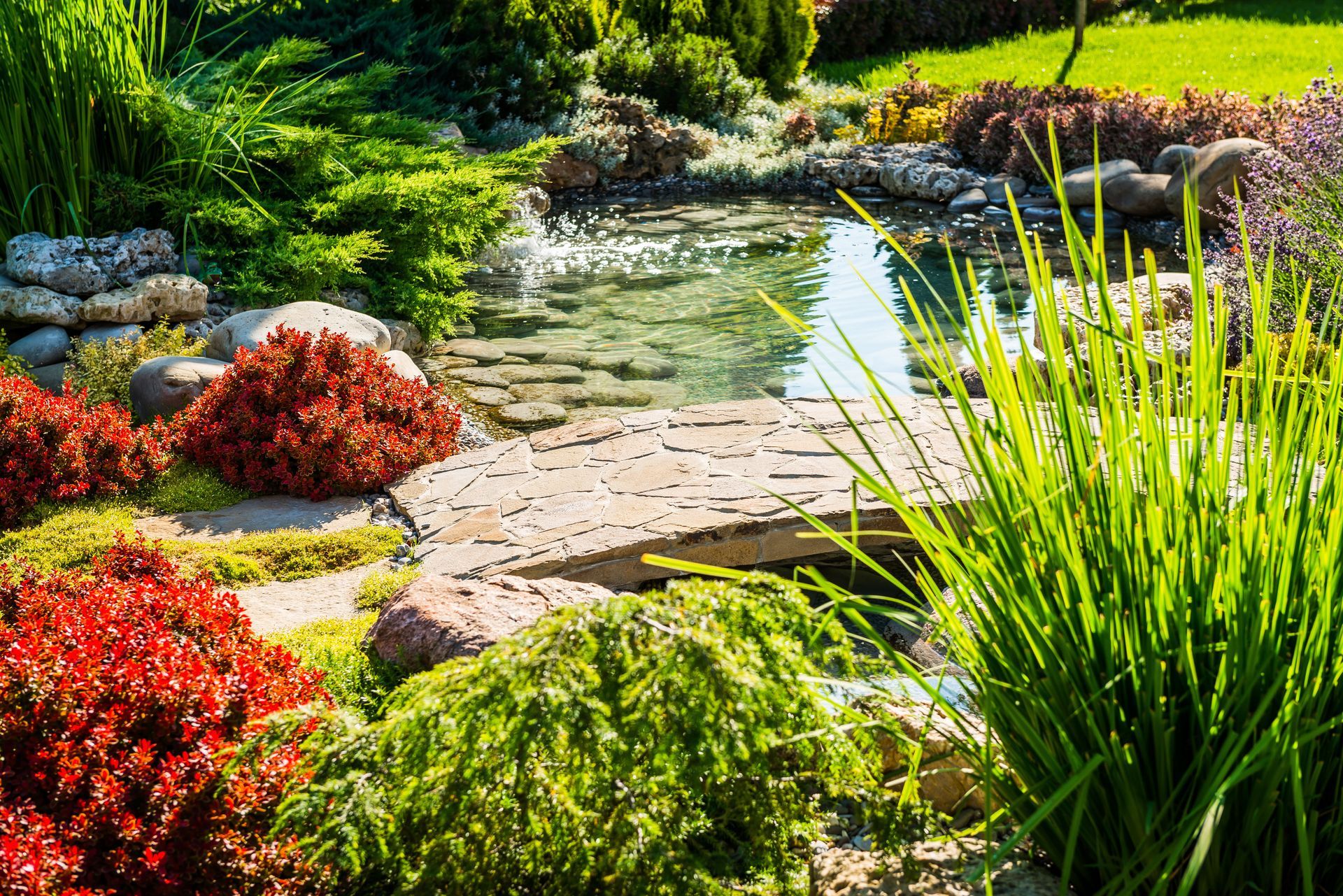
Consistency between interior and exterior materials can strengthen visual continuity throughout the property. Architectural details that transition seamlessly from inside to outside help create a more unified experience. Expansive glass doors, covered walkways, coordinated finish selections, and architectural water features can visually connect indoor and outdoor environments. According to This Old House, to keep the water feature system clean and smooth-running, drain the water twice a year during the spring and fall, making routine maintenance an important consideration when incorporating these elements into a luxury property's overall design. During residential construction, careful coordination of these elements contributes to a cohesive and well-executed design.
Technology and Modern Living
Technology has become an important component of contemporary home design. Smart home systems can provide control over lighting, security, climate settings, entertainment systems, and energy management from a single interface. These technologies offer convenience while supporting efficient property operation. Integrated systems can also help homeowners monitor and manage various aspects of their homes remotely.
As technology continues to evolve, homeowners often prioritize infrastructure that can accommodate future upgrades. Structured wiring, enhanced connectivity, and scalable automation systems can help properties remain current for years to come. Integrating modern systems during residential construction helps reduce the need for significant modifications later while supporting long-term functionality and convenience.
Energy Efficiency and Sustainability
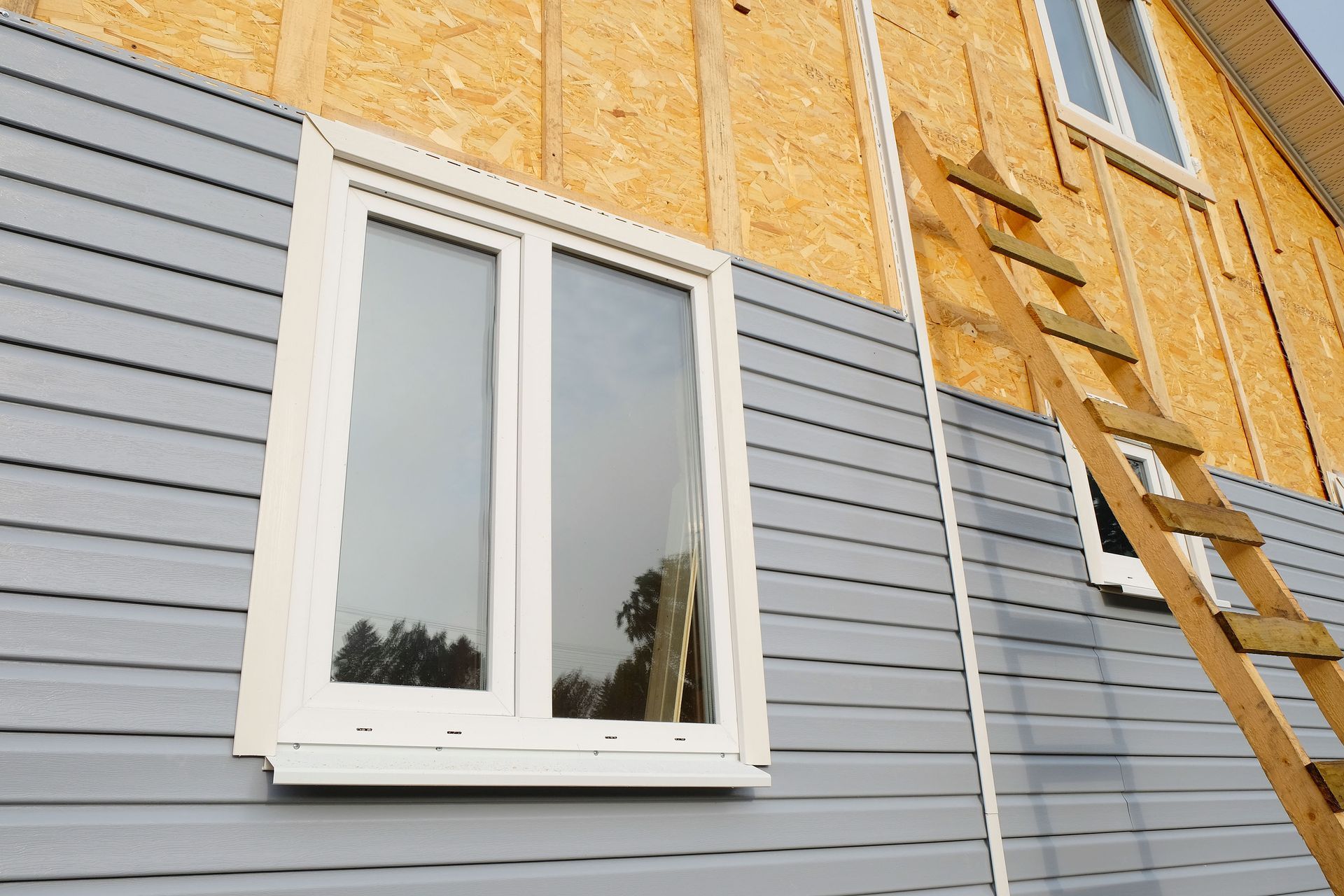
Sustainability remains a priority for many homeowners seeking long-term value from their investments. Energy-efficient windows, high-performance insulation, advanced HVAC systems, and efficient building envelopes can contribute to improved comfort and reduced utility costs. These features may also support environmental goals without compromising aesthetics. Proper orientation and strategic design decisions can further improve energy performance.
Site Selection and Property Potential
The success of a luxury home often begins with the property itself. Site conditions influence architectural possibilities, construction requirements, and the overall experience of the finished residence. Factors such as topography, views, solar orientation, accessibility, and surrounding development can all affect design decisions. Evaluating these elements early allows homeowners and project teams to identify opportunities that maximize the property's potential while minimizing future limitations.
Careful site planning can also improve functionality and aesthetics. Proper placement of the home may enhance privacy, capture desirable views, and create stronger connections between indoor and outdoor spaces. During residential construction, understanding the unique characteristics of the property helps guide decisions that contribute to long-term value and usability.
Project Management and Construction Coordination
Luxury homebuilding involves numerous moving parts that must work together efficiently. Architects, engineers, designers, subcontractors, suppliers, and builders all play important roles throughout the project. Effective project management helps maintain schedules, coordinate materials, and address challenges before they affect progress. Strong communication between all parties can help keep the project aligned with the homeowner's goals and expectations.
Construction coordination is especially important when incorporating custom features and specialized materials. Delays in one area can affect multiple phases of the project if not managed properly. Residential construction benefits from organized oversight that prioritizes quality, efficiency, and accountability throughout every stage of development.
Future Adaptability and Aging in Place
Many homeowners are planning for long-term occupancy when building custom residences. Features that support future adaptability can improve comfort and usability as household needs change over time. Wider hallways, main-level living spaces, accessible bathrooms, and flexible room configurations can provide practical benefits without compromising design quality.
Incorporating these considerations during the initial planning process often proves more cost-effective than making modifications later. Residential construction that accounts for future needs can help homeowners enjoy greater convenience, flexibility, and peace of mind while protecting the long-term functionality of the property.
Many modern homes incorporate sustainable materials and construction practices that promote durability and resource conservation. Water-saving fixtures, energy-efficient appliances, and responsible material sourcing can help reduce environmental impact. Residential construction can successfully balance luxury, performance, and environmental responsibility through thoughtful planning and material selection. Contact our team at Beechwood Builders Inc today to get connected with our construction services.