July 29, 2026
Embarking on the journey of constructing your first custom home can be an exciting and daunting endeavor. This guide aims to equip you with essential knowledge and insights to help you navigate the process successfully. Understanding the intricacies of custom home construction requires a deep dive into the various stages and stakeholders involved. From selecting the right team to choosing the perfect site, every decision plays a decisive role in the outcome. Equipped with the right information and professional construction services, you can ensure that your custom home building experience is both rewarding and reflective of your individual preferences.
Finding the Right Team of Professionals
Differentiating Custom Homes from Production Homes
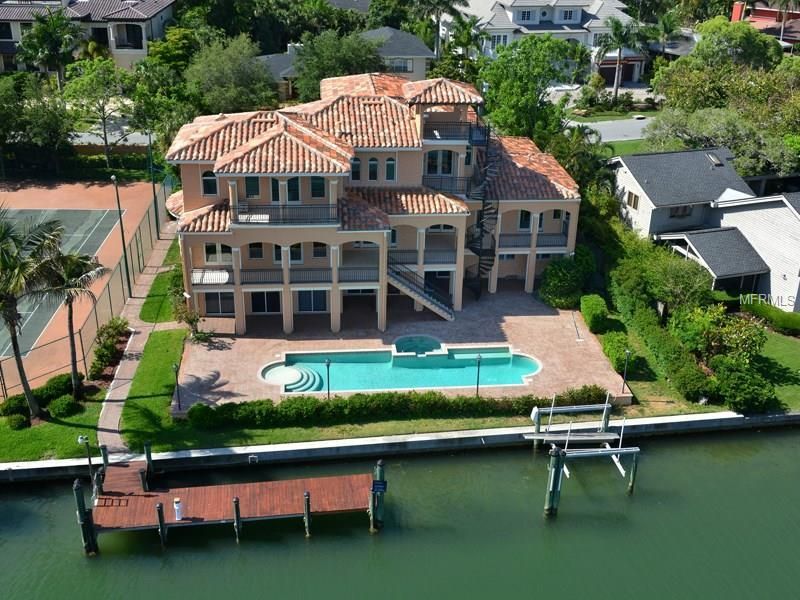
Understanding the differences between custom homes and production homes is critical in determining the right path for your construction project. Production homes, built as part of a larger community, typically follow a streamlined process with economies of scale allowing for cost efficiencies. In contrast, custom homes offer unparalleled flexibility, as they require specialized construction services developed individually with unique features not bound by a predetermined template or layout. This distinction often involves a longer design and planning process, as every detail is crafted to suit the homeowner's needs. According to Architectural Digest, custom home builders commonly allocate three to five months for design and six to eight months for construction, compared to a shorter timeline for production homes.
Selecting a Reputable Contractor
Choosing a reputable provider of construction services is one of the most critical decisions in the custom home building process. A contractor oversees the construction phase, coordinating the various trades and ensuring work is performed to the highest standards. It is important to select a contractor who has a proven track record with custom homes, as this experience means they are better prepared to handle the intricacies involved. Proper vetting, including reviewing past projects and obtaining references, can ensure the chosen contractor is both qualified and trustworthy.
The Importance of a Reliable Project Manager
Project managers are invaluable in custom home construction, ensuring all aspects of the project are aligned and on track. Their role includes overseeing the construction site, managing schedules, and coordinating between the various professionals involved. A reliable project manager anticipates potential challenges and devises solutions to maintain progress. By maintaining open communication with homeowners, they ensure that the project aligns with client expectations and timelines. Choosing a project manager with a strong background in construction and project management streamlines the building process, mitigating risks and resolving issues promptly.
Site Selection and Preparation
Understanding Local Zoning and Building Regulations
Navigating local zoning and building regulations is essential for ensuring that your custom home project adheres to legal standards. Understanding these regulations prevents potential legal issues that could delay or complicate construction. Each municipality may have distinct requirements, such as building heights, setback distances, and design stipulations, impacting the project's scope and design. Consulting with local building authorities or a legal expert ensures compliance with all necessary regulations before breaking ground. Staying informed about these legalities facilitates a smoother construction process free from unexpected bureaucratic hurdles.
Preparing the Site: Clearing and Grading
Before construction can commence, site preparation is essential, including clearing and grading the land. These initial construction services involve removing vegetation, debris, and existing structures, creating a clean slate for building. Grading adjusts the slope of the land to facilitate proper drainage, ensuring water doesn’t accumulate around the foundation. This process also sets the stage for utilities, roads, and landscaping to be accurately integrated later on. Proper site preparation is a crucial foundational element in custom home construction, establishing a base that supports quality and longevity in the final structure.
Effective Site Layout Planning
Effective site layout planning is fundamental to maximizing the potential and functionality of a custom home site. This stage considers the positioning of the home, outdoor spaces, and driveway, contributing to the overall harmony of the property. It’s essential to evaluate how natural elements like sunlight and wind will affect the home, optimizing energy efficiency and comfort levels. Collaboration with architects and landscape designers can yield creative layouts that blend the home seamlessly into its environment. A well-thought-out site plan enhances both the aesthetic appeal and practical usability of the property.
Designing Your Custom Home
Important Design Considerations
Designing a custom home requires attention to various considerations to ensure that the home meets both current and future needs. Functionality, flow, and aesthetics are paramount, dictating the layout and features of the home. Effective design allows for multi-purpose spaces, flexibility for future alterations, and integration of technology. Future-proofing the home to accommodate potential lifestyle changes ensures longevity and satisfaction. Collaborating with experienced designers helps navigate these considerations, ensuring the design is comprehensive and reflective of individual aspirations.
Balancing Aesthetics with Functionality
Achieving a balance between aesthetics and functionality is a critical aspect of custom home design. While a home should reflect personal tastes and styles, it must also accommodate practical living needs. This balance is achieved through thoughtful layout design, blending visual appeal with ergonomic convenience and efficient use of space. Designers work closely with homeowners to cultivate a harmonious environment where beauty and utility coexist seamlessly. By paying equal attention to form and function, custom homes provide an elegant yet comfortable living experience suited to the owner’s lifestyle.
Understanding Building and Design Codes
Familiarity with building and design codes is crucial in creating a custom home that complies with safety and legal standards. These codes cover aspects such as structural integrity, fire safety, accessibility, and energy efficiency, guiding decisions during the design and construction phases. Involvement of architects and builders who understand these regulations ensures that all construction services, from foundation to roof, meet required standards. Regular consultation with local building authorities throughout the project can prevent compliance oversights. Adhering to these codes not only ensures safety but also safeguards the investment by avoiding potential fines or retroactive corrections.
Understanding the Construction Process
Framing and Roofing: The Home Takes Shape
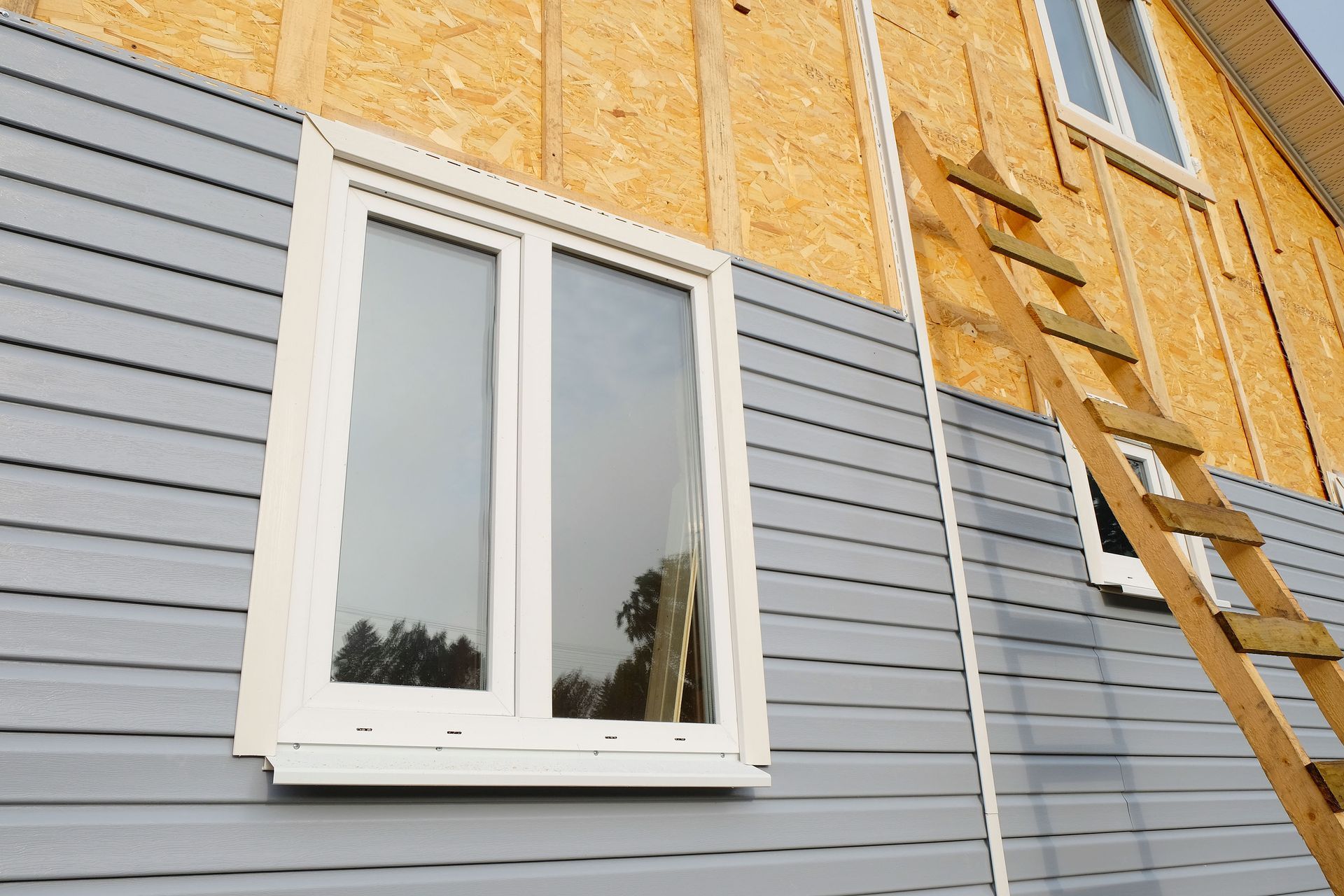
Framing and roofing mark the next phase, transforming the foundation into a recognizable structure. Framing involves constructing the skeleton of the house, defining spaces, and providing support for walls and roof. This phase can include the installation of door and window openings, influencing the flow and aesthetics of the interior. Following framing, the roof is added, protecting the structure from weather and completing the building's shell. These steps are exciting, as the building starts taking the outline and form of a home, bringing the initial vision into clearer focus.
Installation of Systems: Plumbing, Electrical, HVAC
With the structure in place, the installation of essential systems like plumbing, electrical, and HVAC begins. These specialized construction services are crucial for ensuring modern conveniences and safety within the home. Subcontractors handle these installations, placing pipes, wires, and ducts to accommodate efficient and reliable operation. Proper coordination during this phase is essential, as systems often interact and must be integrated seamlessly within the building framework. Ensuring these systems are correctly installed guarantees comfort, reliability, and efficiency in the finished home.
Final Inspection and Walkthrough
Before occupying a newly built custom home, a final inspection and walkthrough are necessary to ensure completeness and quality. This inspection checks that every element meets design plans and building codes, identifying any issues that need rectification. During the walkthrough, homeowners can verify the work's quality, function, and craftsmanship, providing feedback and marking areas requiring attention. It’s a fitting conclusion to the construction journey, confirming that the home is ready for living while ensuring satisfaction with the result. A thorough inspection and walkthrough validate the investment, presenting a space that reflects the homeowner's vision and meets their expectations.
Building your first custom home is a multi-layered journey that demands patience, meticulous planning, and the right expertise. While production homes offer speed and standardization, securing custom construction services provides an unmatched canvas for personal expression. Achieving your dream home relies entirely on the strength of your collaborations—from vetting a reputable contractor and reliable project manager to aligning your design with both local zoning laws and structural building codes. A custom home is more than just a structure; it is a tailored environment engineered to support your lifestyle and endure for generations to come. To get started on the construction of your dream home, reach out to the custom building experts over at Beechwood Builders Inc.